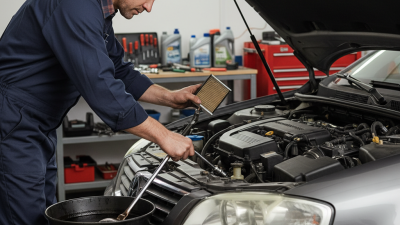
Auto Repair Shop In Plainfield, IL
Why should global buyers care about a component hidden behind the wheel? Because a strut supports the vehicle, controls suspension movement, and helps maintain tire contact. In a struts car application, that contact affects braking stability, steering response, and everyday comfort. Small component. Serious consequences. MacPherson struts also combine spring support and damping, making correct specification essential during replacement. According to S&P Global Mobility’s 2024 vehicle-age analysis, the average U.S. light vehicle reached 12.6 years. This aging fleet creates sustained demand for replacement suspension parts, including struts. The finding matters beyond America. Global buyers often source parts for older vehicles, mixed road conditions, and several climate zones. Those variables can expose weak seals, corrosion, or incorrect damping sooner than expected.
NHTSA recorded 40,901 U.S. traffic fatalities in 2023. This figure does not prove failed struts caused crashes. It does reinforce a practical point: safety-related components deserve evidence, not guesswork. Buyers should compare OE references, load ratings, test procedures, warranty terms, and traceable manufacturing information. ISO 9001 certification can support process confidence, but it does not automatically prove ride performance. Independent testing remains valuable. Grand View Research projects continued growth in the automotive suspension market, yet market growth alone cannot verify quality. Some catalogs also blur “strut assembly,” “shock absorber,” and “complete suspension unit.” That confusion is costly. A careful evaluation should connect engineering, sourcing, and inspection. Global buyers need durable control, not merely a lower invoice. Even this conclusion needs humility: road design, vehicle weight, and installation quality can change real-world results.
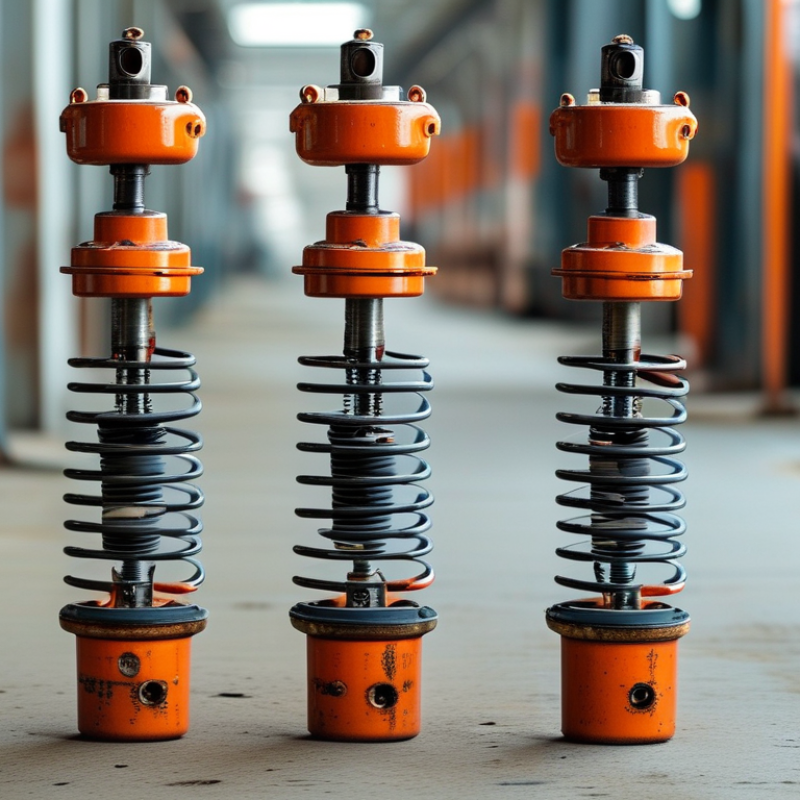
Car struts are structural suspension parts that connect a vehicle’s body to its wheel assembly. They support vehicle weight and help control wheel movement. Many modern vehicles use a MacPherson strut design. In this layout, the strut also helps guide steering movement.
A strut usually combines a coil spring, shock absorber, upper mount, and protective components. The spring carries the vehicle’s load and compresses when the wheel meets a pothole. Inside the damper, hydraulic fluid moves through small valves. This resistance slows bouncing and keeps the tire closer to the road. Better tire contact supports braking, steering, and stable cornering.
The mount allows controlled rotation during steering. The strut must also maintain correct geometry with the steering knuckle. Small differences in length, mounting holes, or spring position can cause installation problems. Global buyers should verify vehicle year, engine type, drive layout, and suspension measurements before ordering.
The symptoms can be subtle. Uneven tire wear, repeated bouncing, nose-diving during braking, or knocking sounds may indicate wear. A visual inspection can find oil leakage, damaged boots, or a broken spring. However, a dry strut is not automatically healthy. Internal damping can weaken without visible leakage. There is no perfect replacement interval, because road quality, cargo weight, climate, and driving habits change stress levels. A common explanation says struts simply “absorb bumps.” That is incomplete. They manage motion, support alignment, and influence how confidently the vehicle responds.
Why Are Car Struts Important for Global Buyers?
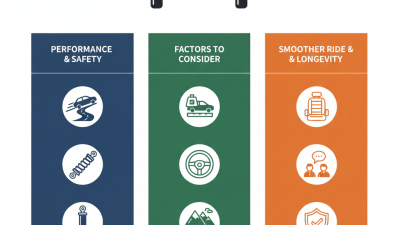
Struts connect the vehicle’s body, wheel assembly, and suspension system. They help keep tires in contact with the road during braking, turning, and sudden bumps. A healthy strut can reduce body movement and make steering feel more predictable. It also supports ride comfort by controlling spring movement after a pothole or speed bump. Without proper damping, passengers may feel repeated bouncing, while the vehicle can become harder to control. The difference is often noticeable on rough roads, especially when the cabin carries several passengers or heavy luggage.
Global buyers should check strut condition, design compatibility, and service requirements before purchasing. Leaking fluid, uneven tire wear, knocking sounds, or excessive nose-diving can indicate wear. A visual inspection helps, but it can miss internal damping problems. That part deserves attention. Vehicle weight, road conditions, climate, and driving habits all affect strut life. Buyers should request verified specifications and have a qualified technician inspect fitment, mounting points, and related suspension parts.
Tips: Compare the strut’s load rating with the vehicle’s original requirements. Check for corrosion around the piston rod and mounting area. After installation, confirm wheel alignment and test the vehicle on a quiet road. Do not judge comfort by appearance alone. A clean strut may still perform poorly.
Why Are Car Struts Important for Global Buyers?
Global buyers need to identify the correct strut type before comparing price or delivery time. A complete strut assembly includes the housing, spring seat, bearing, and sometimes a preinstalled spring. It can reduce installation work. A bare strut contains only the main structural and damping parts. It suits buyers with reusable springs and compatible workshop equipment. However, spring removal requires proper tools and careful handling.
MacPherson struts are common in compact cars and many passenger vehicles. They combine suspension support with steering movement. Twin-tube struts usually offer comfortable road performance and practical value. Monotube struts can provide stronger heat control during demanding driving. Coilover struts allow ride-height adjustment, but they need accurate setup. Air suspension struts serve vehicles designed with air springs, not conventional metal coils. Electronic struts require matching sensors, wiring, and control systems. Fitment is not always obvious. Similar-looking parts may use different mounts, lengths, or damping settings.
Tips: Confirm the vehicle’s year, engine, drivetrain, axle position, and suspension code. Measure mounting points when catalog data seems incomplete. Check seal quality, shaft finish, spring-seat welding, and corrosion protection. Ask for test reports, dimensional drawings, warranty terms, and packaging details. Local roads matter too. Rough surfaces may expose weak mounts quickly. In my view, buyers sometimes focus too heavily on low prices. That choice can create alignment problems, noise, or repeated replacement costs. A better decision considers verified fitment, tested materials, reliable documentation, and realistic driving conditions.
Strut compatibility depends on more than vehicle make, model, and production year. Engineers also check mounting points, tube diameter, spring seat position, piston travel, and steering geometry. Even a small height difference can change wheel alignment and tire contact. Fit matters.
Global buyers should compare original dimensions, load ratings, and axle position before ordering. Local road conditions may also influence the correct specification. Vehicles used on rough roads often need different damping performance from vehicles used mainly on highways. VIN or OE number verification helps, but it should not replace dimensional checking. Catalog data can be incomplete.
Service life is shaped by climate, road quality, cargo weight, driving habits, and installation accuracy. Salt, moisture, dust, and deep potholes can damage seals and protective boots. A constantly overloaded vehicle may wear struts much earlier than expected. Correct tightening torque and wheel alignment matter. Small errors become expensive. Technicians should inspect oil leakage, uneven tire wear, unusual bouncing, and knocking sounds after installation. Reliable suppliers should provide traceable material details and documented fatigue, corrosion, and seal testing. Independent verification is preferable when available. Still, no chart predicts every road. Even experienced buyers miss this. I would recheck the application whenever symptoms return early, rather than blaming the part immediately.
| Evaluation Dimension | Verified Technical Fact | Effect on Compatibility or Service Life | Recommended Buyer Checks | Typical Risk Level | Practical Data or Guidance |
|---|---|---|---|---|---|
| Vehicle Application | A strut is designed for a specific vehicle platform, axle position, body type, and production configuration. | Even vehicles with similar names may use different strut dimensions, spring rates, or mounting arrangements. | Confirm vehicle identification, model year, engine type, body style, front or rear axle, and left or right position. | High | Application data should match the exact vehicle configuration rather than relying only on a general model name. |
| Mounting Geometry | Compatibility depends on upper mount design, lower knuckle attachment, bolt spacing, stud position, and steering-axis geometry. | Incorrect geometry can prevent installation or alter wheel alignment, steering behavior, and suspension travel. | Compare mounting-hole spacing, bolt diameter, stud arrangement, overall length, and attachment style with the original unit. | High | Dimensional differences of only a few millimeters can be significant at suspension mounting points. |
| Overall Length and Stroke | Struts operate within a defined compressed length, extended length, and piston stroke. | Incorrect travel may cause topping out, bottoming out, reduced tire contact, or interference with suspension components. | Check compressed length, extended length, usable stroke, and clearance at full compression and full extension. | High | The replacement must provide sufficient travel for the vehicle's original suspension range. |
| Spring Seat and Spring Specification | Many struts support a coil spring through a spring perch whose diameter, height, and orientation are vehicle-specific. | An incorrect perch can cause spring misalignment, noise, uneven ride height, or unsafe spring seating. | Verify spring-seat diameter, perch height, spring orientation, spring outer diameter, and load rating. | High | The spring and strut should be treated as a matched suspension system, not as isolated parts. |
| Damping Characteristics | The damper controls suspension movement by resisting compression and rebound of the spring. | Excessive or insufficient damping can reduce tire contact, increase body motion, and change braking or cornering behavior. | Match the intended vehicle load, suspension design, driving conditions, and original damping specification. | High | Damping should be balanced across the same axle; replacing only one side can create unequal handling. |
| Electronic Suspension Features | Some vehicles use electronically controlled dampers, ride-height sensors, or continuously variable suspension systems. | A conventional passive strut may not communicate with the vehicle control system or may trigger warning messages. | Identify electrical connectors, actuator units, sensor brackets, wiring requirements, and calibration procedures. | High | Electronic compatibility must be confirmed before purchase; mechanical fit alone is not sufficient. |
| Vehicle Load and Usage | Passenger load, cargo weight, towing, rough roads, speed, and frequent impacts increase suspension workload. | Higher operating loads can accelerate seal wear, fluid degradation, bushing fatigue, and loss of damping performance. | Compare the part's intended load capacity with the vehicle's normal and maximum operating conditions. | Medium to High | Heavy commercial use and poor road surfaces generally shorten service life compared with light highway use. |
| Road and Climate Conditions | Water, salt, dust, mud, high temperatures, and freezing conditions can affect metal, rubber, seals, and protective coatings. | Corrosion and contamination may damage the piston rod, spring, mount, or protective boot. | Assess regional exposure to road salt, humidity, dust, flooding, temperature extremes, and unpaved roads. | Medium | Corrosion protection and intact dust boots are especially important in coastal, snowy, and dusty markets. |
| Mounts, Bearings, and Bushings | A complete strut assembly may include a top mount, bearing, spring seat, spring, boot, and bump stop. | Worn supporting components can create noise, steering resistance, uneven tire wear, or premature damper wear. | Inspect all adjacent components and confirm whether the supplied assembly includes the required hardware. | High | Replacing worn related parts at the same time can reduce repeat labor and improve system performance. |
| Wheel Alignment | Strut removal can affect camber, caster, toe, or steering-knuckle position, depending on the suspension design. | Incorrect alignment may cause rapid or uneven tire wear and can reduce straight-line stability. | Perform an alignment check after installation and adjust the angles when they are outside specification. | High | Alignment should be measured with the vehicle at normal ride height and correct tire pressure. |
| Installation Quality | Incorrect tightening, damaged threads, compressed springs, or improperly routed components can compromise the assembly. | Installation errors may cause noise, loosening, spring movement, component damage, or safety hazards. | Use the specified torque values, suitable spring-compression equipment, and the correct installation sequence. | High | Suspension work should be performed by trained personnel using appropriate lifting and spring-handling equipment. |
| Inspection Interval | Strut condition should be checked during routine maintenance and whenever steering, braking, or ride-quality symptoms appear. | Early detection can prevent secondary damage to tires, mounts, springs, and other suspension components. | Inspect for oil leakage, bent parts, corrosion, damaged boots, loose mounts, abnormal noise, and uneven tire wear. | Medium | Inspection is more reliable than using mileage alone because operating conditions vary substantially. |
| Expected Service-Life Planning | Strut service life varies with design, road conditions, vehicle load, driving style, climate, and installation quality. | Using a fixed replacement interval for every vehicle can lead to premature replacement or delayed maintenance. | Track mileage, operating conditions, inspection findings, leakage, damping performance, and customer-reported symptoms. | Medium | Many vehicles require closer evaluation after approximately 80,000–160,000 km, but this is a planning range rather than a universal replacement limit. |
| Replacement Pairing | Struts on the same axle influence handling balance and damping consistency. | Replacing only one worn side may leave unequal damping and different ride response between the two sides. | Compare condition on both sides and normally replace struts in axle pairs when wear is similar. | High | After paired replacement, inspect mounts, springs, bump stops, dust boots, and wheel alignment. |
| Export Packaging and Storage | Struts can be damaged by moisture, impact, contamination, or incorrect storage orientation before installation. | Pre-installation damage may cause corrosion, bent housings, leaking seals, or missing installation hardware. | Use dry packaging, protective caps, impact-resistant cartons, traceable labels, and incoming inspection procedures. | Medium | Store components in a clean, dry environment and inspect them before fitting to the vehicle. |
For global buyers, reliable car struts begin with correct vehicle data, not a low quotation. Confirm the model year, engine, body style, axle position, and suspension design. A strut that looks identical may fit differently. Measure mounting holes, compressed length, extended length, and spring seat position. Ask for drawings and verified part numbers. I have seen purchasing teams lose weeks after trusting a catalog photo. Small errors become expensive returns.
Request material specifications for the tube, piston rod, seals, and spring seat. Professional suppliers should explain damping tests, salt-spray checks, fatigue testing, and production traceability. Request sample reports, not attractive promises. Check whether each batch carries a date, lot code, and inspection record. Independent pre-shipment inspection can reveal oil leaks, uneven welding, or incorrect labels. It costs money. It can prevent a container-wide problem.
For overseas shipments, review packaging before production begins. Strong inner supports can prevent bent rods and damaged threads during long transport. Confirm warranty terms, replacement procedures, and documents needed for your market. Ask how claims are handled when several units fail. A clear response matters. Do not judge reliability from one perfect sample. Test several units under realistic loads and road conditions. I would also leave room for doubt; factory audits can miss a process change made later. Keep written approvals, photos, and test results. This is less exciting than negotiating price, but it protects the buyer’s decision.
Car struts are structural suspension components that influence ride control, tire contact, steering stability, braking performance, and vehicle safety. For international buyers, the most reliable products should be evaluated through verifiable technical and quality criteria rather than price alone.
The screening scores use a practical 1–5 buyer-priority scale: higher scores indicate criteria that should receive greater attention when comparing car struts across international markets. Buyers should confirm vehicle fitment, load specifications, corrosion resistance, testing documentation, traceability, and warranty terms before purchasing.
Plainfield, 60585, 60544, 60586, Naperville, 60564, Bolingbrook, 60490, 60440, Romeoville, 60446, Will, Kendall, DuPage, Counties. Our auto repair shop in Plainfield, IL, has been serving the local area plus all surrounding Chicagoland since 1978.
• Computer Diagnostic • Brake Shop • Engine Replacement • Transmission Rebuild • Clutch Replacement • Differential Rebuild • Suspension Shop • Steering • Shocks & Struts • Heating & Cooling • Electrical • Exhaust Shop • Catalytic Converter Replacement • Alignment • Domestic & Foreign Vehicle Service • Auto Repair In Plainfield, IL • Auto Repair Shops Near Me • Towing Service Near Me