China Top 10 Hair Removal Machine Manufacturers?
Choosing the right Hair Removal Machine manufacturer requires more than comparing prices and product photographs. China has a broad manufacturing base, serving beauty clinics, distributors, hospitals, and professional skincare businesses worldwide. This guide examines ten notable Chinese manufacturers through practical criteria, including product experience, technical capability, quality management, certifications, treatment versatility, and after-sales support.
The evaluation considers IPL, diode laser, and other professional hair-removal technologies. It also reviews details buyers often notice during real consultations: handpiece cooling, pulse stability, display readability, treatment settings, replacement parts, and operator training. A reliable manufacturer should provide clear specifications, user manuals, warranty terms, and documentation for local compliance. Marketing language can sound impressive. Evidence matters more.
No ranking is flawless. Product quality may vary between models, production batches, and export markets. Some companies publish limited technical information, making independent verification necessary. Buyers should request test reports, factory details, sample demonstrations, and references from established customers. Regulatory requirements also differ by country, so a supplier’s domestic approval may not satisfy every market.
This introduction sets the direction for a careful comparison of China’s top ten Hair Removal Machine manufacturers. It focuses on verifiable strengths rather than exaggerated claims. Readers will find useful questions for supplier interviews, procurement checks, and long-term cooperation. The best choice is rarely the cheapest machine. It is the manufacturer that combines consistent performance, responsible service, and transparent communication. That difference becomes visible after installation.
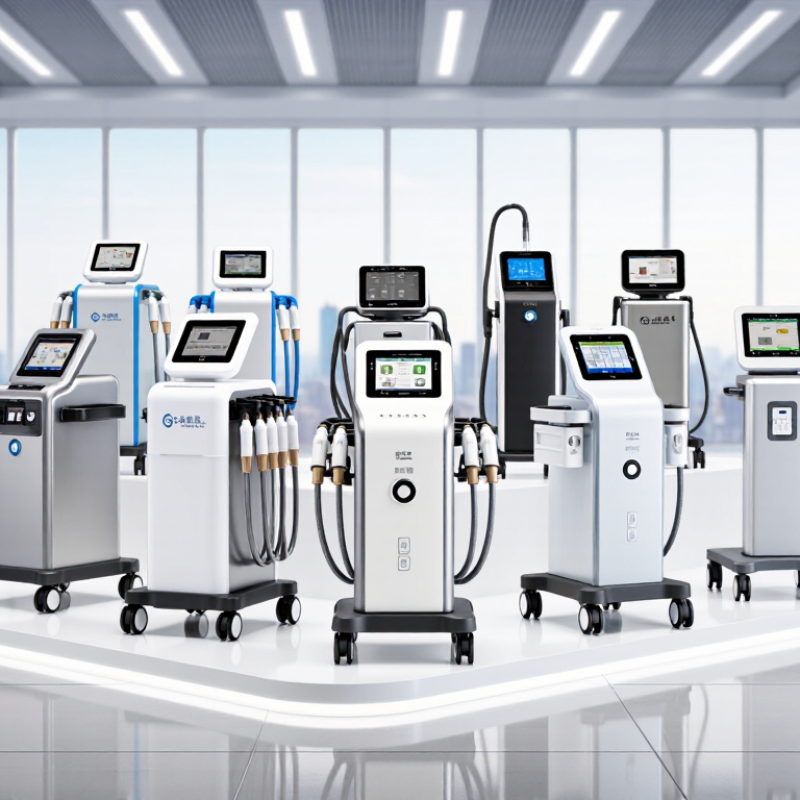
What Defines a Leading Hair Removal Machine Manufacturer in China
A leading Chinese hair removal machine manufacturer is defined by evidence, not production volume. Grand View Research estimated the global laser hair removal market at USD 1.03 billion in 2023. It forecasts an 8.3% CAGR from 2024 to 2030. That growth raises the cost of weak engineering. Buyers should examine wavelength stability, pulse consistency, cooling performance, and measured fluence at the applicator.
Numbers must be traceable. A serious factory keeps calibration records for power meters, temperature probes, and treatment handpieces. It also maintains design-control files, risk assessments, and batch traceability. ISO 13485 certification can indicate a controlled quality system, but certification alone proves little. Independent testing against relevant IEC electrical and photobiological safety standards matters more during procurement. Ask for current reports, not screenshots.
Experienced manufacturers validate devices across different skin tones and hair densities. Their instructions explain patch testing, eye protection, maintenance, and operator training. Clinical usability data should identify benefits and limitations. Fortune Business Insights’ 2024 analysis projects the global laser hair removal market to exceed USD 2 billion by 2032. This growth increases pressure for dependable after-sales service. Spare modules, response times, software updates, and repair training deserve written terms. No factory is flawless. Suppliers may under-document field failures or overstate comfort. Audits, sample testing, and customer references should precede any Top 10 ranking.
What Defines a Leading Hair Removal Machine Manufacturer in China?
Professional hair removal systems commonly use three clinically established laser wavelengths. A strong manufacturer should understand the application of each wavelength, provide reliable energy control and cooling, and support appropriate skin-type treatment protocols.
755 nm is commonly associated with alexandrite systems, 810 nm with diode laser systems, and 1064 nm with Nd:YAG systems. Wavelength selection affects melanin absorption, penetration depth, and suitability for different skin types.
Key Technologies Used in Chinese Hair Removal Machines
China’s leading hair removal machine manufacturers increasingly focus on diode laser, IPL, cooling, and intelligent skin protection. Diode systems often use 755 nm, 808 nm, or 1064 nm wavelengths. These settings target different depths and hair types. IPL devices use broad-spectrum light, usually filtered for controlled energy delivery. The technology is flexible, but it is not automatically safer.
Grand View Research estimated the global laser hair removal market at about USD 1.03 billion in 2023. Its report also forecast an 18.3% compound annual growth rate from 2024 to 2030. This growth encourages better engineering, including sapphire contact cooling, real-time temperature monitoring, and skin-tone detection. Quality systems should also follow principles from IEC 60601-1 and ISO 14971. In practice, uneven pulse output remains a concern. A polished screen cannot correct poor calibration.
Tips: Check fluence stability, pulse duration, cooling performance, and service records before purchasing. Ask for independent test documents, not only factory claims. Test the handpiece after repeated shots; overheating may appear later. Operators should adjust parameters carefully, because darker skin and recently tanned skin require greater caution. A lower price can hide weaker cooling or inconsistent energy delivery. That is an uncomfortable point, but buyers should examine it.
China’s Top 10 Hair Removal Machine Manufacturers
China’s top 10 hair removal machine manufacturers are often judged by more than production scale. A reliable manufacturer should show consistent quality control, clear technical documentation, and practical after-sales support. In this market, leading suppliers commonly develop IPL, diode laser, and cooling-based systems for professional use.
A useful review should examine several details. Check whether the factory can provide test reports, electrical safety records, and traceable component information. Ask about wavelength stability, pulse control, cooling temperature, and handpiece durability. During product evaluation, an experienced buyer should inspect cable joints, screen response, and treatment parameter accuracy. Small defects can become expensive service problems later.
The top ten should also demonstrate real manufacturing experience. Their engineers need to understand skin-contact safety, heat management, user training, and maintenance schedules. A factory tour can reveal more than polished catalog images. Look for clean assembly areas, calibration equipment, and documented inspection steps. Honest communication matters too. Some suppliers promise overly broad results, which deserves caution. Rankings can change as technology and export requirements develop. This list should remain a practical reference, not a permanent verdict.
How to Compare Manufacturers, Products, and Certifications
When comparing China’s top ten hair removal machine manufacturers, study their factory evidence, not only their websites. Ask how long they have produced professional equipment and which markets they serve. A factory audit should check assembly areas, calibration tools, incoming inspection, and complaint records. Request recent batch-testing reports. Marketing photos can hide weak processes.
Compare products by technology and measurable performance. For laser systems, review wavelength options, fluence range, pulse width, spot size, cooling control, and handpiece durability. For IPL systems, examine filter design, lamp life, flash repetition, and skin-contact sensors. Ask for test data using your intended treatment settings. Also inspect software controls, maintenance access, spare-part availability, and operator training. Small details matter.
Certifications require careful verification. Check the certificate holder, exact model, manufacturing site, scope, issue date, and issuing organization. ISO 13485 shows a medical-device quality system, but it does not prove treatment performance. IEC 60601 reports can support electrical-safety evaluation. ISO 14971 evidence indicates structured risk management. Market-specific approvals differ, and registration is not always the same as clearance. Be cautious.
A supplier should explain adverse-event handling and warranty limits clearly. Response speed matters after installation. However, no comparison is perfect. A strong factory may offer excellent hardware but limited clinical documentation. A polished certificate file may also omit the model you plan to purchase. Independent testing is worth the extra time.

