7 Tips for Choosing an ATF Car Machine?
Choosing the right Atf Car Machine can improve transmission service quality, reduce fluid waste, and protect customer vehicles. However, attractive features do not always indicate dependable performance. A bright touchscreen may impress buyers, while weak seals or inaccurate measurement quietly create expensive problems.
This guide presents seven practical tips for evaluating an Atf Car Machine before purchase. The discussion considers compatibility, fluid exchange accuracy, filtration, tank capacity, hose connections, operating safety, and after-sales support. These details matter in a busy workshop. A technician should check whether the machine supports the vehicle models commonly serviced, including different transmission designs and fluid requirements.
Look closely.
Real workshop experience often reveals more than a product brochure. Examine the clarity of the pressure gauge, the strength of the wheels, and the accessibility of drain ports. Ask suppliers for maintenance schedules, calibration information, warranty terms, and training materials. Reliable manufacturers should explain their testing procedures and identify recommended fluids without vague promises.
Safety also deserves careful attention. A suitable machine should include secure connections, clear operating instructions, spill-control features, and protection against incorrect fluid handling. Local workplace requirements still need verification, because equipment standards can vary by region. Do not assume every universal adapter fits perfectly.
Some choices remain imperfect. A larger tank may increase capacity but reduce portability. Advanced automation may save time but require more training. By comparing real service needs with verified specifications, buyers can choose equipment that supports consistent work, responsible maintenance, and long-term workshop value. That judgment takes patience. Yet it can prevent a costly decision.
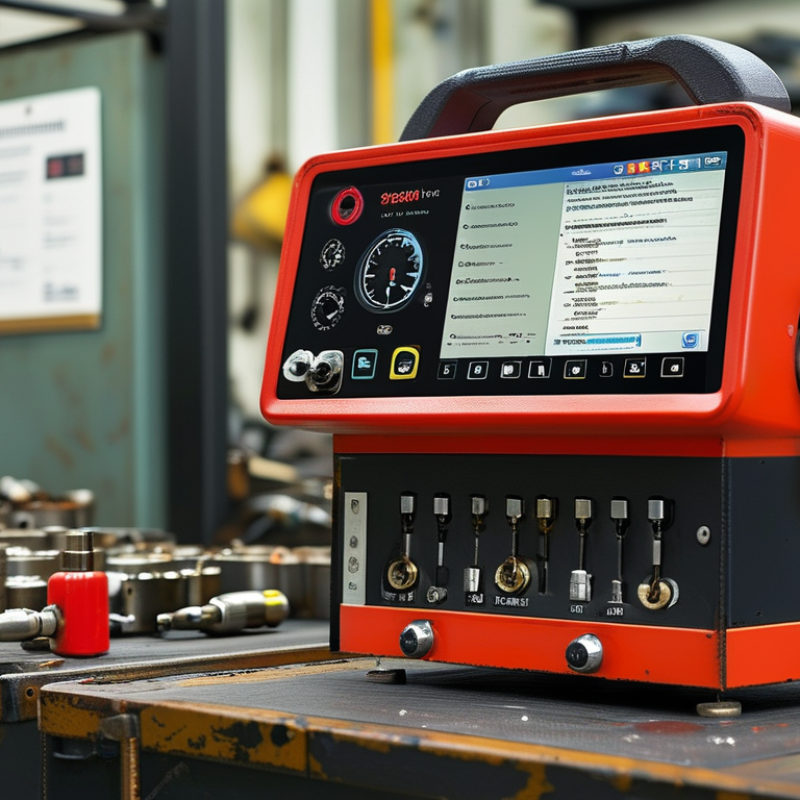
Understanding What an ATF Car Machine Does
An ATF car machine replaces used automatic transmission fluid with fresh fluid through a controlled service process. It connects to the transmission’s cooler lines or approved service ports. The machine removes old fluid while introducing new fluid at a measured rate. This helps reduce contamination without relying only on a simple drain.
Understanding its function prevents unrealistic expectations. The machine does not repair worn clutches, damaged solenoids, or internal mechanical faults. It also cannot correct the wrong fluid specification. Check the vehicle’s service data, fluid capacity, connection method, and operating temperature before starting. Inspect the hoses and adapters carefully. Small leaks can create serious messes.
A reliable machine should provide clear flow readings, accurate volume control, and stable pressure. Avoid equipment that forces fluid aggressively. Excessive pressure may create problems in sensitive systems. Ask whether the unit supports fluid recovery, filtration, and clean-fluid separation. This detail matters when different fluids are handled in the same workshop. Record the drained volume and compare it with the refill amount. The numbers may not match perfectly, and that deserves investigation. Some fluid remains inside the torque converter or cooler. A technician should verify the final level after cycling through each gear position. Then inspect for leaks and confirm smooth engagement during a road test. Careful work takes longer. It is usually worth it.
Checking Vehicle Compatibility and Fluid Requirements
Choosing an ATF car machine begins with vehicle compatibility, not pump speed. Transmission designs differ in fluid volume, filter layout, cooler connections, and electronic control sensitivity. S&P Global Mobility reported that the average light vehicle age reached 12.6 years in 2024. Older vehicles may require different adapters and gentler exchange procedures.
Check the transmission code, model year, service bulletin, and fluid specification before connecting equipment. Never rely only on fluid color. Some fluids look similar but have different friction properties, viscosity limits, and additive packages. The Society of Automotive Engineers provides standardized testing methods for viscosity and low-temperature performance, but these tests do not make every fluid interchangeable. That detail matters. A machine should support accurate temperature monitoring, measured refill volumes, and a clean separation between used and new fluid.
Review the manufacturer’s service data, then match hose fittings and operating pressure. In practical workshop checks, a wrong adapter can create a leak within minutes. A machine with automatic pressure control reduces that risk, although it cannot correct poor technician judgment. The 2024 Vehicle Technologies Market Report from the U.S. Energy Information Administration shows continuing growth in vehicle efficiency technologies, reminding service teams that newer drivetrains may need more precise procedures. I would also inspect the machine’s calibration record. It is easy to overlook. One weak point remains: service intervals are not identical across vehicles, so a universal setting may be convenient but not genuinely safe.
Comparing Key Machine Features and Performance
Choosing an ATF car machine requires more than checking its cutting speed. Start with cutting accuracy, decoding ability, clamp stability, and compatibility with common key profiles. A machine should hold a blank firmly, read worn keys consistently, and reproduce clean cuts without excessive burrs. In daily workshop use, repeatability matters more than impressive screen specifications. I once trusted speed too much. The first cut looked fine, but the second needed correction.
Check the machine’s database coverage, update method, calibration process, and support availability. Clear error messages can reduce training time, especially when several technicians share one workstation. Also examine cycle time under real conditions, not only the manufacturer’s laboratory rating. S&P Global Mobility reported that the average age of vehicles in operation reached 12.6 years in 2024, increasing the need to support mixed generations of mechanical and electronic keys. That makes broad compatibility more valuable than a narrow focus on newer vehicles.
Measure operating cost carefully. Review cutter life, maintenance intervals, power consumption, and replacement-part access. Safety guards and stable emergency stops deserve equal attention. The U.S. Bureau of Labor Statistics projects about 78,200 annual openings for automotive service technicians and mechanics through 2033, so efficient equipment must remain usable for different skill levels. A short demonstration with worn blanks and varied key types reveals more than a polished brochure. Test before buying.
7 Tips for Choosing an ATF Car Machine
Compare key machine characteristics such as cutting speed, supported key types, accuracy, automation, safety, portability, and energy efficiency before making a purchase.
The chart uses a standardized 1–10 evaluation scale based on commonly assessed automotive key-cutting machine criteria. Higher scores indicate stronger overall performance.
Evaluating Safety, Ease of Use, and Maintenance
Tip 1: Treat safety as a buying requirement, not an optional feature. An ATF car machine should have protected moving parts, pressure relief, clear warning labels, and stable wheels. The U.S. Bureau of Labor Statistics recorded 5,283 fatal workplace injuries in 2023. Vehicle service work deserves serious controls. Test the emergency stop with dry hands. Check whether hoses lock firmly during operation. Small details matter.
Tip 2: Evaluate ease of use beside the vehicle. A readable control panel, color-coded hoses, and automatic fluid measurement can reduce mistakes. The National Institute for Occupational Safety and Health emphasizes hazard recognition and worker training in vehicle repair environments. Ask an experienced technician to perform a complete fluid exchange. Watch for awkward bending, unclear prompts, or slow connections. If the process feels confusing, it probably needs improvement.
Tip 3: Inspect maintenance access before purchase. Filters, seals, tanks, and drain points should be reachable without dismantling the cabinet. OSHA’s maintenance guidance stresses energy isolation before servicing equipment. A practical machine should support lockout procedures and display service intervals clearly. Keep a log of fluid volume, leaks, hose wear, and calibration checks. I would not trust a machine simply because its screen looks modern. In busy workshops, neglected cleaning can become the real failure point.

