What Is a Heater Core and How Does It Work?
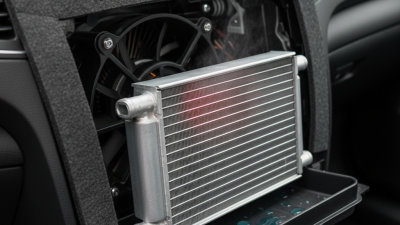
What Is a Heater Core and How Does It Work? The answer begins beneath the dashboard, where a small radiator performs a surprisingly important job. The heater core receives hot engine coolant through two narrow hoses. A blower motor pushes cabin air across its warm metal fins. That heated air then travels through the vents, keeping passengers comfortable on cold mornings. It also helps clear frost from the windshield.
Automotive repair educator EricTheCarGuy has explained the basic principle this way: “The heater core is basically a small radiator inside the passenger compartment.” The comparison is simple, but useful. It shows why coolant flow, airflow, and temperature control must work together.
A heater core depends on the cooling system.
When the engine reaches operating temperature, coolant carries heat toward the core. A valve or blend door then regulates how much warmth enters the cabin. Some modern vehicles use electronic actuators instead of traditional valves. The result should be steady, controlled heat.
The real experience can be less tidy. A restricted heater core may produce weak heat on one side of the cabin. A leaking core can leave a sweet coolant smell, damp carpet, or fogged glass. Those signs deserve attention, because coolant loss can eventually threaten the engine.
Not every symptom points directly to the heater core. A faulty thermostat, trapped air, or failed blower can create similar problems. That uncertainty matters. Careful diagnosis should come before replacement, especially because accessing the core may require removing much of the dashboard.
What a Heater Core Is and Where It Fits in a Vehicle
What Is a Heater Core and How Does It Work?
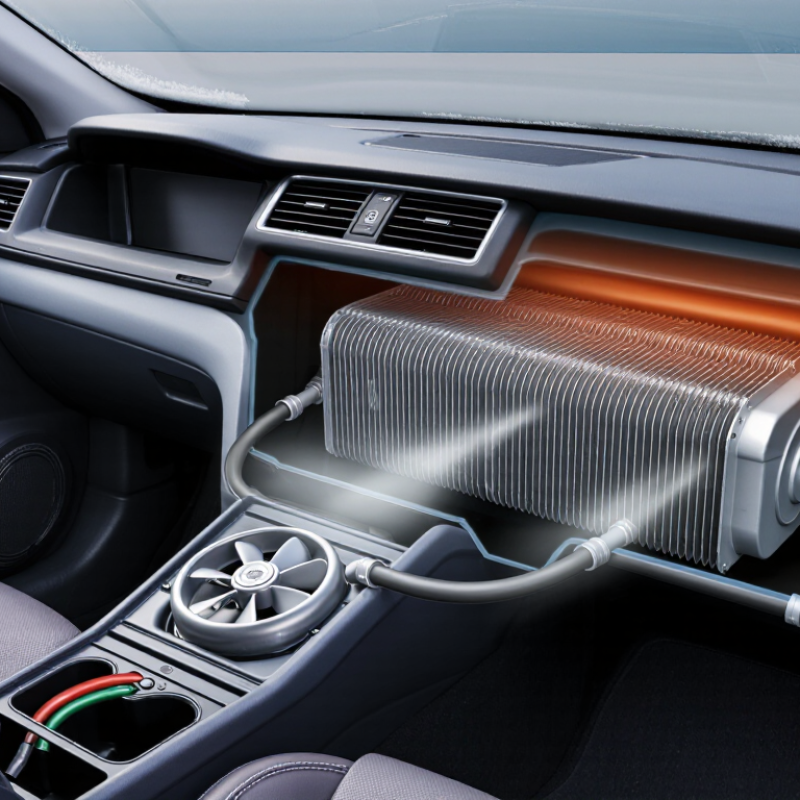
A heater core is a small heat exchanger inside a vehicle’s heating and ventilation system. It usually sits behind the dashboard, inside the HVAC housing. Thin tubes carry hot engine coolant through the core. Small metal fins absorb that heat.
The location matters. A blower motor pushes cabin air across the heated fins, then directs warm air through vents near the dashboard, floor, or windshield. A temperature door controls how much air passes over the core. In some vehicles, a valve also regulates coolant flow. The heater core connects the engine’s cooling circuit to the passenger compartment, so it performs two jobs in different spaces.
The layout is not always intuitive. A technician may need to inspect coolant hoses, airflow doors, and the cabin filter before blaming the core. Weak heat can result from trapped air, low coolant, or a restricted passage. A sweet smell inside the cabin, fogging glass, or damp carpet may indicate a coolant leak. These signs deserve prompt inspection because coolant can damage interior materials and reduce engine cooling capacity. Diagnosis is not perfect from one symptom alone. A temperature check at the heater hoses can provide useful evidence, but the results need careful interpretation. The dashboard often hides the real problem.
How Engine Coolant Transfers Heat to the Heater Core
A heater core is a small heat exchanger hidden behind the dashboard. Engine coolant transfers heat to it through a carefully controlled loop. Combustion heats the engine block and cylinder head first. The water pump then pushes coolant through internal passages. When the thermostat opens, some hot coolant travels through the heater core.
The process is simple. Hot coolant flows through narrow metal tubes, while cabin air passes across their fins. A blower moves this warmed air through the vents. Many passenger vehicles operate near 90–105°C coolant temperature, though exact values vary by design and operating conditions. The U.S. Department of Energy’s vehicle energy-flow data indicates that roughly two-thirds of fuel energy becomes waste heat, making coolant a valuable heat-transfer path. The heater core recovers only a small portion.
It does not create heat.
A control valve or air-mixing door adjusts cabin temperature. During cold starts, the thermostat limits circulation, helping the engine warm faster. A partially blocked core can reduce airflow temperature, even when the engine gauge looks normal. That detail is easy to miss. Coolant age, trapped air, and restricted fins also affect performance. In practice, diagnosis should compare hose temperatures, coolant level, and airflow rather than relying on one symptom. The U.S. Environmental Protection Agency’s fuel-economy guidance also recognizes engine heat management as an important efficiency factor, although cabin heating remains a secondary function.
How the Blower Fan Delivers Warm Air into the Cabin
A heater core is a small radiator hidden inside the dashboard. Hot engine coolant flows through its narrow tubes after the engine reaches operating temperature. Thin metal fins absorb that heat and warm the surrounding air. The heater core does not create heat by itself. It transfers heat from the cooling system.
The blower fan is the part that moves this warmth into the cabin. When the fan spins, it pulls cooler cabin air through the heater core fins. The air then travels through the housing, blend doors, and selected vents. A higher fan speed moves more air, but it may feel less warm if the engine or coolant is still cold. Dust, leaves, or a restricted cabin filter can also reduce airflow. That detail is often missed. Weak airflow does not always mean the heater core has failed.
Tips:
Let the engine warm briefly before expecting strong heat. Check whether airflow changes across all fan settings. If the windshield clears slowly, inspect the defrost vents and airflow path. A sweet smell, fogging glass, or damp carpet may suggest a coolant leak near the heater core. Do not ignore those signs. Coolant loss can cause overheating, even when the cabin still receives warm air. Experienced technicians also check coolant level only when the engine is cool, because hot cooling systems remain pressurized. Some diagnosis takes patience. Controls and doors can fail, too.
Common Heater Core Problems and Their Warning Signs
What Is a Heater Core and How Does It Work?
A heater core is a small radiator behind the dashboard. Hot engine coolant flows through it. The blower then pushes warm air into the cabin. It also helps clear moisture from the windshield. NHTSA’s Federal Motor Vehicle Safety Standard No. 103 emphasizes effective windshield defrosting, making heater performance a safety concern. The Auto Care Association’s 2024 Factbook, citing S&P Global Mobility, reports that the average U.S. light vehicle is about 12.6 years old. Older cooling systems deserve closer inspection.
Common heater core problems usually begin with a sweet coolant smell inside the vehicle. A greasy fog may form on the windshield. The passenger-side carpet can also become damp. Weak cabin heat, low coolant, or engine overheating may follow. Do not ignore these signs. A small leak can empty the cooling system gradually. Diagnosis is not always tidy. A blocked core can mimic a faulty thermostat or air-mix door. A technician should pressure-test the system and inspect the coolant level, hoses, and cabin floor. Never open a hot coolant cap.
Tips: Check the carpet after driving. Watch for colored residue. Record coolant loss weekly. Stop driving if the temperature gauge rises. Use the correct coolant specification, and never mix fluids casually. A heater core may fail without dramatic warning, so a faint smell still matters.
What Is a Heater Core and How Does It Work?
A heater core is a small radiator inside the dashboard. Hot engine coolant flows through it while the blower fan pushes air across its fins, transferring heat into the cabin. Under normal operating conditions, coolant entering the heater core is commonly around 85–105°C, while air from the vents may reach approximately 35–60°C.
Common warning signs of a heater core problem include weak cabin heat, a sweet coolant smell, fogging or a greasy film on the windows, damp carpeting, and a falling coolant level. These symptoms may indicate a clogged or leaking heater core.